 EN
EN
In hydraulic systems, gear motors, piston motors, and gerotor (or orbit) motors are three of the most common types of hydraulic actuators. Each design offers distinct structural features and performance characteristics, making them suitable for different applications. This article provides a detailed comparison of their ideal operating environments to help you select the right hydraulic motor for your specific needs.
1. Gear Motors: The Compact and Cost-Effective Choice
Gear motors are widely used in medium-to-low pressure hydraulic systems due to their simple construction and compact size. They typically operate within a pressure range of 5–25 MPa, delivering reliable power output in moderate-duty conditions. Their straightforward design makes them affordable to manufacture and easy to maintain, which is why they are commonly found in less demanding equipment, particularly within the agricultural sector.
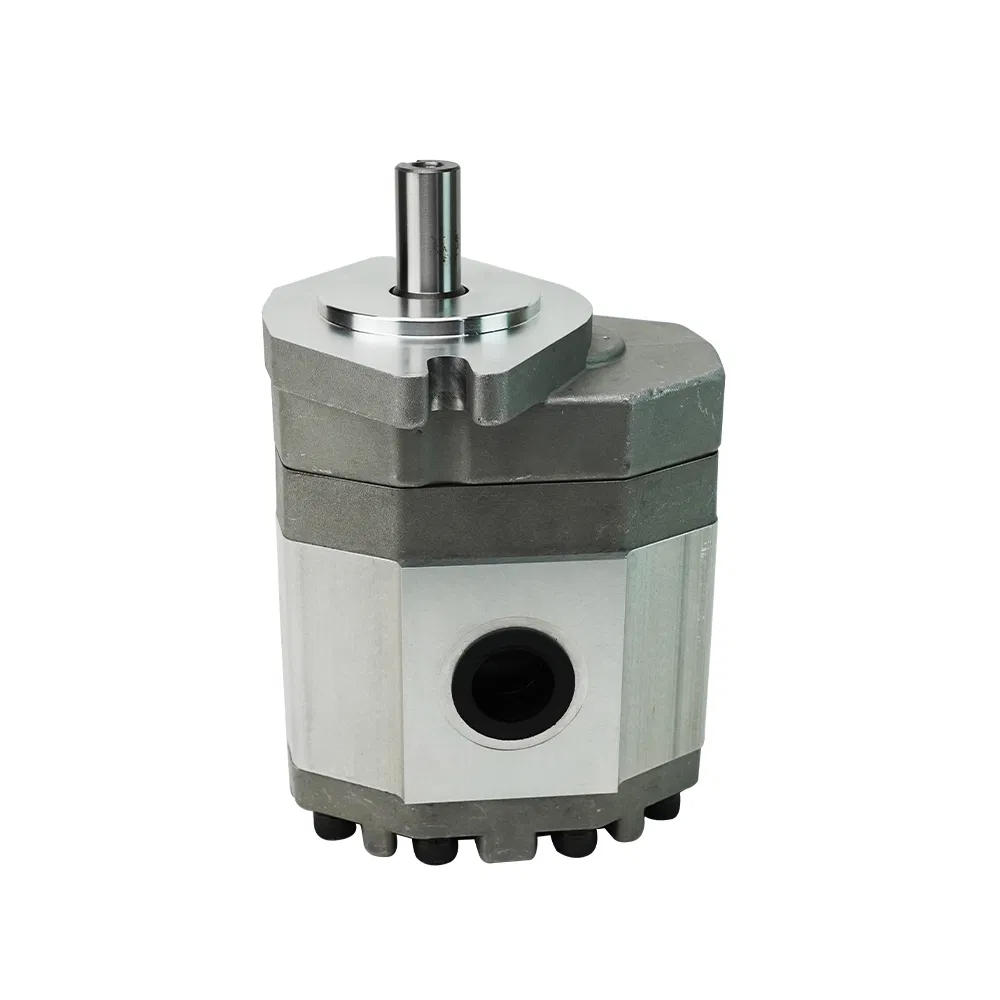
Typical Applications:
-
Agricultural Machinery: Such as lawn mowers, harvesters, and other equipment that requires dependable, load-capable hydraulic systems.
-
Light Construction Equipment: Certain mid-range load handling machines in construction and material handling.
Advantages:
-
Simple design and lower cost.
-
Compact and suitable for flexible integration into medium- to low-pressure systems.
Limitations:
-
Limited high-pressure capability, not suitable for heavy-duty high-pressure applications.
-
Relatively lower efficiency and precision compared to other types.
2. Piston Motors: High-Power Performers for Demanding Conditions
Piston motors are engineered for high-pressure environments and can withstand working pressures of 35 MPa and above. Designed for heavy-duty applications, they maintain reliable performance even under extreme conditions. Hydraulic pressure acts directly on pistons within a cylinder block, resulting in higher efficiency and superior output precision. However, high-pressure operation often generates noticeable noise and vibration, so additional damping or acoustic measures may be required.
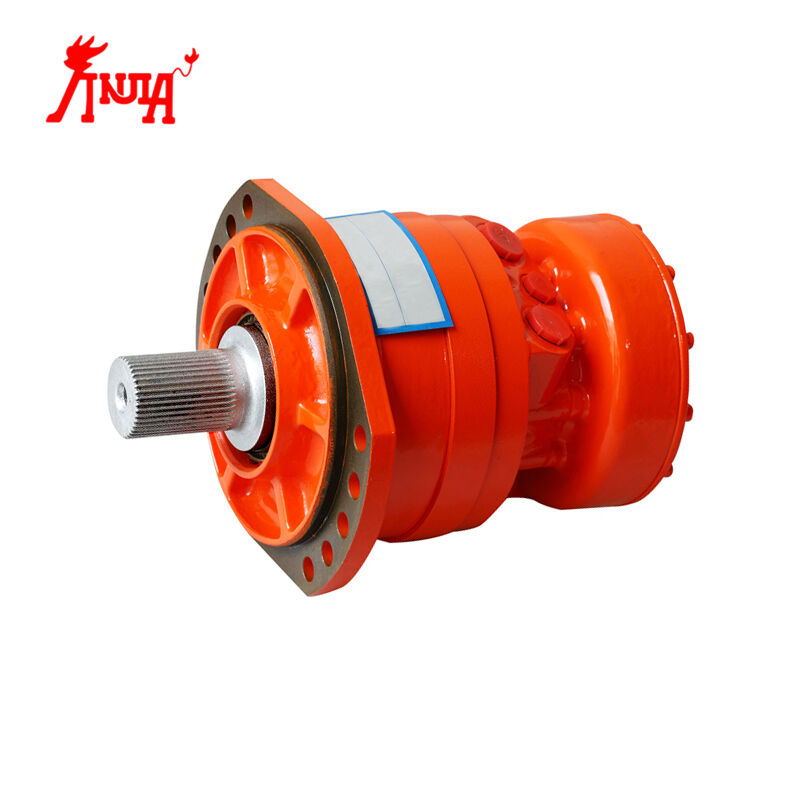
Typical Applications:
-
Construction and Earthmoving Equipment: Excavators, rollers, cranes, and other heavy machinery that demand high torque and power under substantial loads.
-
Mining Machinery: Equipment operating under continuous high load in rugged mining environments.
Advantages:
-
High pressure tolerance, suitable for powerful, high-torque output.
-
Stable performance under heavy loads and in demanding conditions.
Limitations:
-
Higher noise and vibration levels.
-
More complex structure, leading to higher initial and maintenance costs.
3. Gerotor Motors: Precision and Compactness for Dynamic Systems
Gerotor motors are known for their compact design, smooth operation, and good efficiency. They perform well in medium- to high-pressure systems, with maximum working pressures reaching up to 30 MPa. Compared to gear and piston motors, gerotor motors excel in applications requiring quick starts and stops, frequent speed changes, and high dynamic response. Their precision and smooth performance make them a preferred choice for automated industrial systems, especially where space is limited.
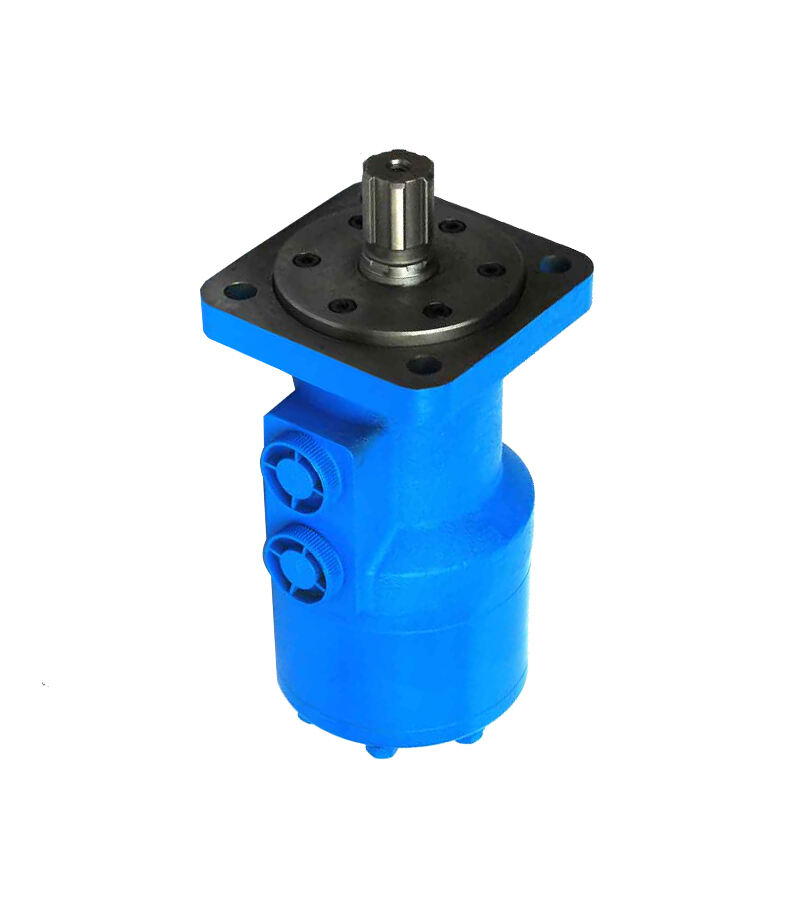
Typical Applications:
-
Industrial Robotics: Automated systems that require high precision, flexibility, and smooth motion control.
-
Machine Tools and Automation Equipment: Machinery that benefits from rapid response, frequent cycling, and efficient operation in confined spaces.
Advantages:
-
Extremely compact, ideal for space-constrained installations.
-
Smooth operation with good efficiency and precision.
-
Excellent dynamic performance for applications with frequent start-stop cycles.
Limitations:
-
Not designed for extremely high pressure or extreme heavy-duty continuous loads.
-
Best suited for specific applications where its dynamic advantages are required.
Summary: Selecting the Right Motor for Your Environment
The choice between gear, piston, and gerotor motors largely depends on pressure requirements, structural complexity, performance precision, and the specific operating conditions:
-
Gear Motors: Best for medium- to low-pressure systems, often used in agricultural and light industrial equipment. They offer simplicity and affordability where very high precision or extreme pressure is not required.
-
Piston Motors: The go-to solution for high-pressure, high-power, and heavy-load applications such as construction and mining. They provide robustness and reliability under extreme conditions, though with greater noise and cost.
-
Gerotor Motors: Ideal for compact, high-precision, and dynamically demanding environments like industrial automation and robotics. They deliver smooth operation and excellent response where space and control accuracy are critical.
Selecting the appropriate hydraulic motor based on your actual working environment and performance requirements will not only improve operational efficiency but also enhance the reliability and service life of your hydraulic system.